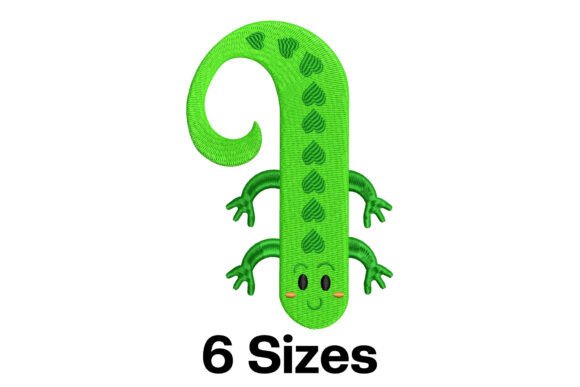
Funny Iguana Alphabet Letter I
First Impression: Playful, Personable, and Instantly Memorable
As an embroidery designer who’s curated over 200 craft fair booths—and sold thousands of handmade products—I’ll say it straight: Funny Iguana Alphabet Letter I lands with charm. It’s not elegant or minimalist. It’s not rustic or farmhouse. It’s funny, lightly irreverent, and undeniably kid- and teacher-friendly—making it a natural fit for the School category without feeling like clipart. The “I” isn’t just a letter—it’s a character. That iguana? It’s got attitude, personality, and just enough whimsy to stop a shopper mid-aisle at a local makers market.
Where It Shines: Craft Fair Product Placement That Converts
In my booth setup, Funny Iguana Alphabet Letter I works hardest on three high-visibility items: embroidered tote bags, tea towel sets, and iron-on patches. Why?
- Tote bag design: Centered on a natural canvas or oat-colored jute tote, it reads clearly from six feet away—bold enough for signage, small enough to feel intentional. Customers love pairing it with matching “A–Z” letters (if you’re building a full alphabet series).
- Tea towel embroidery: On a linen-cotton blend towel, the design pops without overwhelming. Its playful shape balances the functional weight of kitchen textiles—especially in school-themed gift bundles (“Back-to-School Teacher Care Kit”).
- Embroidered patch: This is where Funny Iguana Alphabet Letter I becomes a repeat-buyer magnet. Sewn onto denim jackets, backpacks, or caps, it feels personal, collectible, and conversation-starting. At craft fairs, patches sell fast when they’re distinctive but scalable—this fits both.
What Works—and What Needs Caution—in Real Production
This machine embroidery design thrives on medium-weight woven fabrics: cotton poplin for aprons, twill for caps, and lightweight linen for pillow covers. But here’s where experience matters:
- Stitch density matters. If the iguana’s scales or facial details are densely stitched, avoid heavy terry cloth towels or thick fleece—those fibers swallow fine detail. Opt for smooth, tightly woven tea towels instead.
- Small lettering = careful hooping. The “I” itself must remain legible at 3–4 inches tall. Test it on scrap fabric first—especially if using dark thread on dark fabric. Low-contrast combos (navy thread on black cotton) blur the outline and mute the humor.
- Caps and curved surfaces need stabilization. Don’t skip cutaway stabilizer for baseball caps. The iguana’s tail or eye detail can distort on a dome-shaped surface without proper backing.
- Avoid shrinking the design below 2.5 inches. At smaller sizes, the facial expression flattens and the “funny” factor fades. For pouches or keychains, consider using it as a single focal point—not repeated across the item.
Photography, Listings, and Online Appeal for Etsy Sellers
As an Etsy seller and digital embroidery file creator, I know how much rides on your printable mockup. Funny Iguana Alphabet Letter I photographs exceptionally well against clean, neutral backdrops—think white marble, light wood, or soft gray felt. Its organic curves and expressive lines translate beautifully in natural light. Bonus: it reads instantly in thumbnail size, which helps scroll-stopping power in crowded marketplace feeds.
For your listing assets, pair it with lifestyle shots: a teacher’s tote bag slung over a chair, a set of three monogrammed tea towels draped over a countertop, or a close-up of the patch sewn onto a denim vest. These aren’t just product photos—they’re small shop product storytelling.
Booth Strategy: How This Design Builds Buyer Engagement
At a weekend craft fair, attention is currency. Funny Iguana Alphabet Letter I earns it—not through flash, but through relatability. Parents smile. Teachers pause. Kids point. That micro-moment of connection opens the door to conversation, upsells (“We have the whole alphabet!”), and repeat visits.
I always display it across at least two product types side-by-side: one large-scale (like a 6-inch version on a market bag), and one intimate (a 3-inch patch on a fabric swatch board). That contrast shows versatility—and reassures buyers it’s not a one-trick design.
It also strengthens brand consistency if you’re building a cohesive line—say, “Classroom Critters” or “Alphabet Friends.” That makes cross-selling easier and positions your booth as curated, not cluttered.
Practical Embroidery Designer Notes Before You Stitch
Before cutting into your best fabric—or uploading to your commercial embroidery machine—run these checks:
- Test the design on scrap fabric that matches your final product’s weight and texture.
- Check thread contrast under both daylight and indoor lighting—what looks bold in studio light may disappear on a shelf.
- Review spacing between the iguana’s limbs and the letterform—tight gaps risk skipped stitches on low-tension machines.
- Confirm hoop size compatibility. If the design exceeds 4×4 inches, verify your standard hoop can accommodate it—or plan for re-hooping mid-stitch.
- Inspect stitch density in the eyes and mouth area—overly dense fills may pucker thin fabrics.
- Use the right stabilizer: Tear-away for stable wovens; cutaway for knits or stretchy caps; fusible for lightweight linens.
- Create at least one real mockup before fair day—nothing replaces seeing how light catches the thread sheen or how the design drapes on a tote.
- Compare fabric colors side-by-side: ivory vs. oat vs. ecru all change how green thread reads on the iguana’s skin.
- Confirm commercial licensing before selling finished products—this is a digital embroidery file, and usage rights determine whether you can legally sell the finished product at markets or online.
Final Thought: A Handmade Product With Built-In Personality
Funny Iguana Alphabet Letter I isn’t just another embroidery file. It’s a tiny piece of narrative stitching—lighthearted, school-savvy, and surprisingly versatile. When executed well, it lifts a simple tote bag into a keepsake, turns a tea towel into a talking point, and gives your craft fair booth a voice. In a sea of generic florals and overused quotes, this design stands out—not because it’s loud, but because it’s alive. And in handmade markets, that’s the kind of energy that sells.